The awkward moment often comes after an AI tool returns a smooth paragraph: it sounds finished, but you are not sure whether it is accurate or even yours. Treat that response as raw material, not a ready-to-publish draft, and make each review pass responsible for a different kind of problem.
Start with a grounded brief
Give the tool the audience, purpose, key points, and source material it needs to work from. Say what it should not invent, such as customer quotes, product capabilities, or figures that are not in your notes. A concrete brief makes it easier to spot when the draft has drifted.
Keep the first request narrow: ask for an outline, a subject-line set, or a rough opening rather than a complete campaign. That leaves you room to shape the argument before polished language makes weak ideas feel settled.
Review facts before style
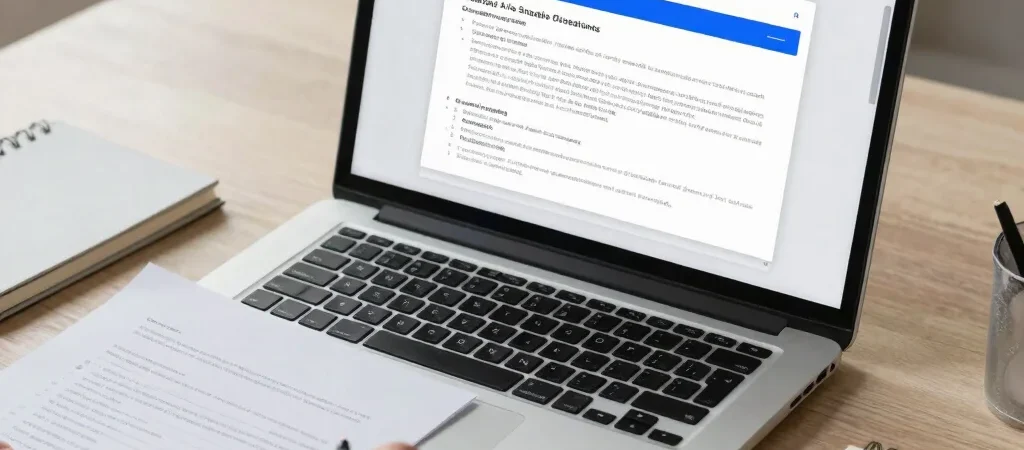
Check names, dates, feature descriptions, and factual claims against the material you trust. If the tool supplies a citation, open the source and confirm it supports the claim; a citation-shaped answer is not proof on its own. Remove anything you cannot verify.
Next, read for usefulness. Replace general advice with the real decision, constraint, or example your reader needs, and make sure the draft answers the original question rather than simply sounding fluent.
Restore the human voice
Read the text aloud and listen for phrases you would never use with a customer or colleague. Add the specifics only you know, cut repetition, and check that the tone fits the channel. Before publishing or sending, follow your organization’s rules for AI use and disclosure.